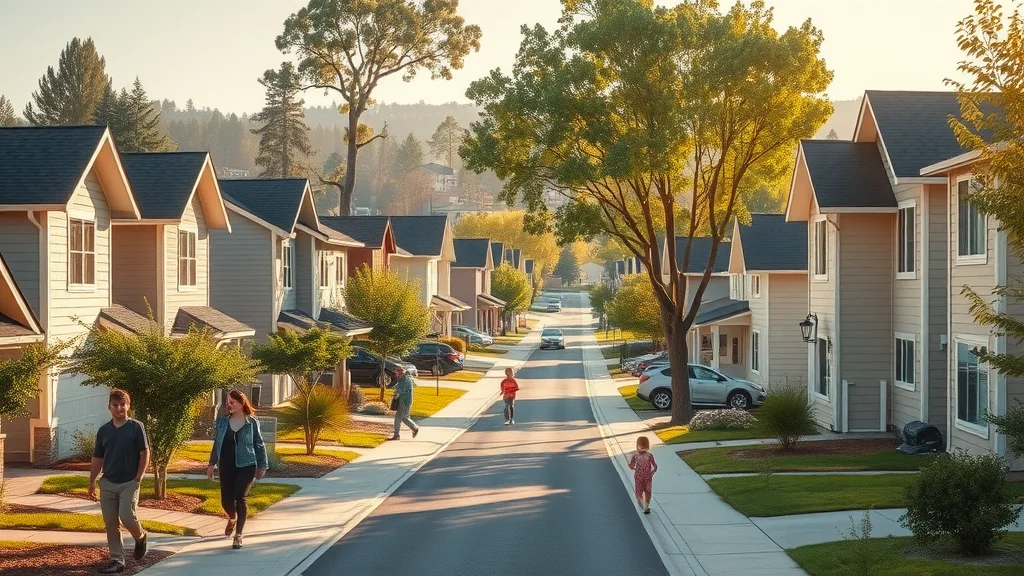

Did you know? In California alone, permits for accessory dwelling units have increased by over 1,100% in the past decade. With urban housing needs constantly evolving and more families seeking flexible living solutions, the drive to build an accessory dwelling unit (ADU) has never been stronger. Before diving into your ADU project, understanding the true cost—plus the differences between DIY and professional options—can make or break your budget and timeline.
Staggering Growth: The Rising Popularity of Accessory Dwelling Units
“In California alone, permits for accessory dwelling units have increased by over 1,100% in the past decade.”
-
Shifting housing needs, urban density, and economic pressures are fueling this surge.
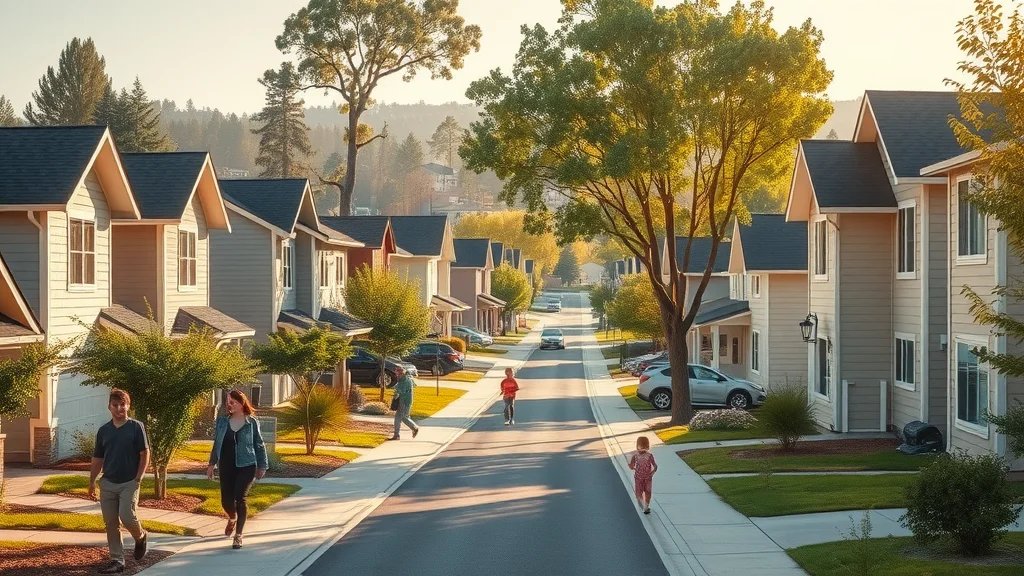
The exponential rise in accessory dwelling units (ADUs) is changing the face of urban and suburban neighborhoods. This surge is largely due to economic factors—rising home prices, increased demand for affordable housing, and a greater need for multigenerational living. Cities across the country, and especially in regions like the San Francisco Bay Area, are seeing homeowners build an ADU to create new rental streams or provide space for family members. As ADUs become mainstream, understanding the nuances, from cost to permitting, is critical for anyone considering an ADU project.
What You’ll Learn in This Guide About Building an Accessory Dwelling Unit
-
The true average cost to build an accessory dwelling unit (ADU)
-
Key differences between DIY and professional ADU construction
-
Factors that drive ADU construction expenses
-
How to avoid common ADU budgeting mistakes
-
Insider tips from Golden View Renovation experts
At Golden View Renovation, we emphasize quality craftsmanship and risk mitigation. Our experience can prevent costly delays and errors common in DIY projects.
Understanding the Basics: What is an Accessory Dwelling Unit and Why Build One?
-
Types of accessory dwelling units (attached, detached, garage conversion)
-
Typical uses like housing a family member or creating a law suite
-
The role of ADUs in affordable housing and generating rental income
-
Key regulations and building permit requirements
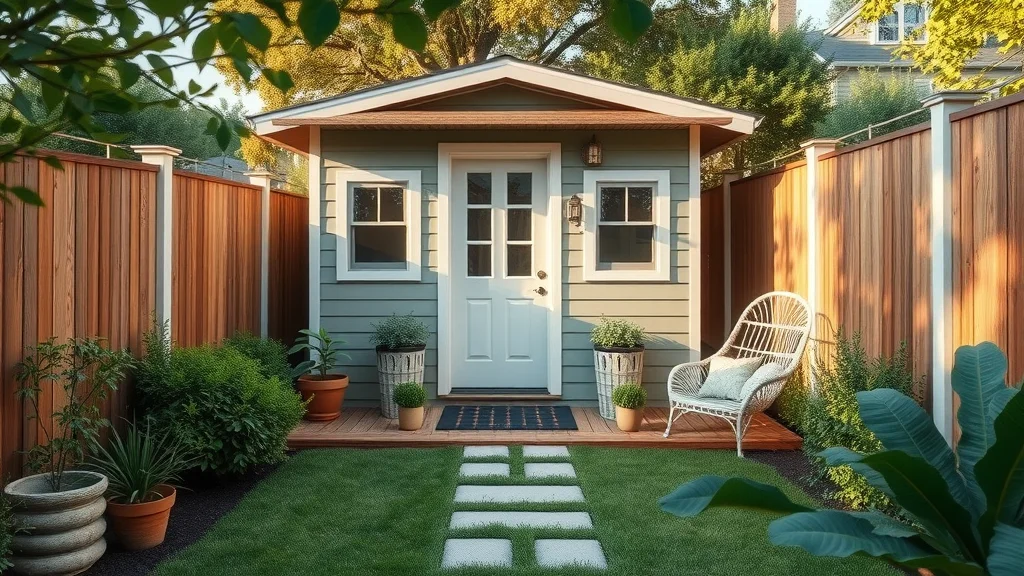
An accessory dwelling unit—also called an ADU, granny flat, or in-law unit—is a secondary, self-contained living space built on the same lot as a primary residence. These units come in several forms, including detached ADUs (a separate small home), attached units (built onto the main house), and garage conversions (transforming an existing garage into living space). People build an ADU for many reasons: to house aging parents or adult children, to generate rental income, or to increase property value.
ADUs are also an increasingly important solution for affordable housing. They allow families to stay together or create a law suite for relatives, all while making smart use of existing lots. However, every ADU project must navigate local zoning and building permit requirements, including size restrictions, setbacks, and parking. These regulations can impact both cost and timeline, so it’s crucial to research your local jurisdiction’s rules before starting any ADU construction.
For a deeper dive into the different types of accessory dwelling units, their unique benefits, and how to choose the right style for your property, you may find this comprehensive overview on ADU options and planning considerations especially helpful as you map out your project.
Breakdown of the Average Cost to Build an Accessory Dwelling Unit
Nationwide Average Costs to Build an Accessory Dwelling Unit
|
Comparison of national averages for different ADU types |
|||
|
ADU Type |
Low-End Cost |
High-End Cost |
Average Cost |
|---|---|---|---|
|
Garage Conversion |
$80,000 |
$150,000 |
$115,000 |
|
Detached |
$150,000 |
$400,000 |
$250,000 |
|
Attached |
$130,000 |
$300,000 |
$210,000 |
The cost to build an accessory dwelling unit can vary dramatically based on ADU type, size, location, and finish quality. On average, a basic garage conversion costs $80,000–$150,000, while a new detached ADU can easily reach $250,000 on average. Attached units are somewhat less expensive but still require significant investment. High-end finishes, complex designs, or challenging site conditions may push costs to the top of these ranges. Factoring in hidden expenses, like utility connections and permitting, is essential when developing an ADU budget.
Key Factors Affecting the Cost to Build an Accessory Dwelling Unit
-
Size and square footage
-
ADU construction materials and finishes
-
Site conditions, utility hookups
-
Design complexity
-
City and county building permit fees
Several variables drive up the cost of building an ADU. Larger ADUs require more construction material and labor, thus increasing overall expense. Upgrading to premium finishes or complex designs—think custom windows, high-end cabinetry, or smart home systems—will also raise your budget. Site complexities such as sloping yards, old utility connections, or accessibility challenges may require additional engineering or groundwork. Finally, local building permits and city fees can be substantial, particularly in places like California, where ADU regulations are strict but evolving to favor faster approvals. Always review these factors thoroughly in your ADU planning phase.
ADU Construction: DIY vs. Professional Build Costs Compared
Pros and Cons of DIY ADU Construction
-
Cost savings vs. time investment
-
Risk of mistakes, rework, building code violations
-
Impact on permitting and inspections
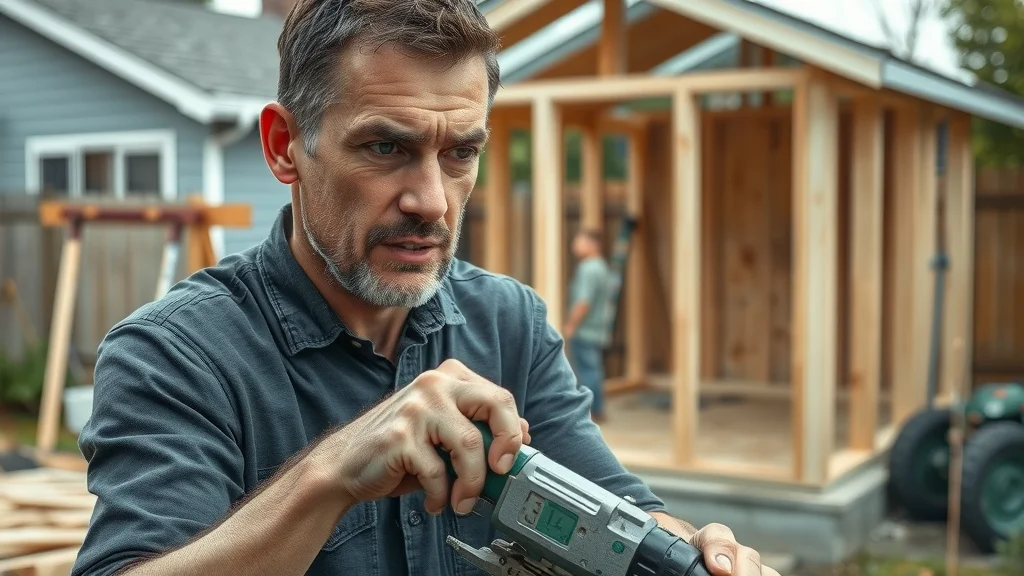
Tackling an ADU construction project yourself can save tens of thousands in labor costs. For homeowners with construction experience, managing your own project—from framing to finish work—means you control every detail and potentially save up to 40% compared to hiring out. However, DIY also brings significant risks for the uninitiated. Even small code violations can require costly rework or delay your permit approval. Inspections may be more stringent when construction doesn’t follow a professional’s workflow, and the project timeline can stretch from 6 to 18 months depending on your availability. For most, the potential pitfalls—including poor ADU design, missed details, and permitting headaches—often outweigh savings unless you hold a contractor’s license or deep building experience.
Professional ADU Construction: What Do You Get for the Money?
-
Project management and guaranteed timelines
-
Professional design, compliance with local building permit laws
-
Warranty and customer support
|
Comparison Table: DIY vs. Professional Build Costs & Features |
||
|
Factor |
DIY Build |
Professional Build |
|---|---|---|
|
Average Cost |
$60,000–$150,000 |
$120,000–$400,000 |
|
Time Commitment |
6–18 months |
4–9 months |
|
Common Pitfalls |
Permitting issues |
Smooth project flow |

Partnering with a professional ADU construction team like Golden View Renovation means every step—from ADU design to final inspection—is coordinated, permitted, and built to meet strict local codes. Design/build professionals can anticipate issues and expedite city approvals. You also benefit from expert project management, fixed deadlines, a clear warranty, and after-care support. While the investment is higher, the peace of mind, higher-quality finishes, and faster timelines (often 4 to 9 months) typically offset the added expense. For many, professional project flow is the best way to ensure long-term value and compliance, especially in demanding markets like the Bay Area.
Cost Breakdown by ADU Type and Size: Square Foot Analysis
Garage Conversion: The Most Affordable Way to Build an Accessory Dwelling Unit?
“Garage conversions are usually the fastest and least expensive way to add a dwelling unit to your property.” – Golden View Renovation
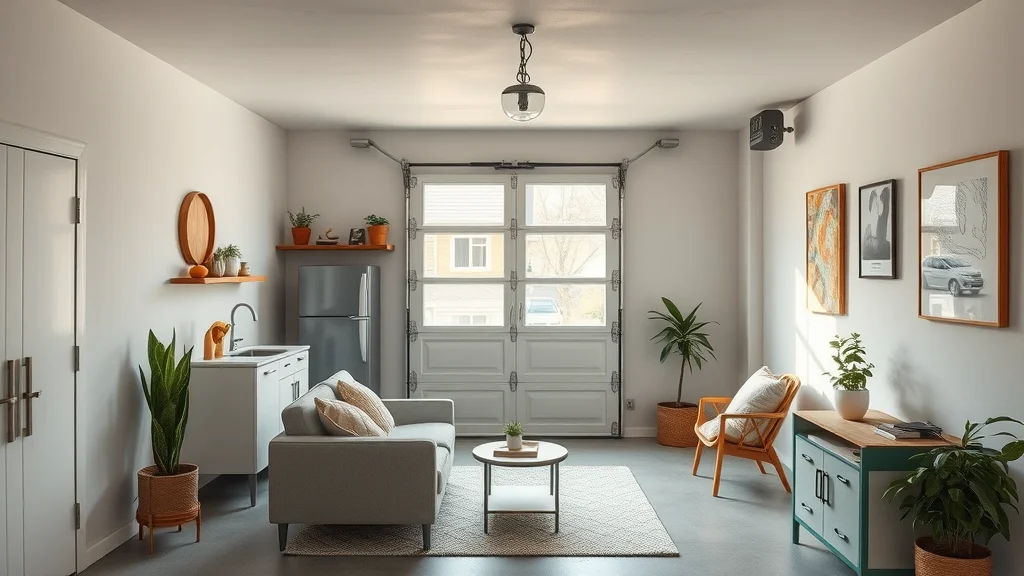
For many homeowners looking to add a secondary dwelling unit without breaking the bank, garage conversion projects offer an unbeatable combination of speed and affordability. Adapting an existing structure means the walls, roof, and foundation are already in place, significantly reducing both material and labor expenses. Since garage conversions take up fewer square feet and typically require modest changes, their cost per square foot is usually the lowest of all ADU types. That said, retrofitting older garages may require upgrades to insulation, roofing, and utilities, sometimes adding unforeseen expenses to what initially seemed a low-cost project. Still, on balance, garage conversions deliver the top value for budget-conscious homeowners seeking rental income or extra living space.
Attached vs. Detached Accessory Dwelling Units
-
Structural considerations
-
Cost per square foot comparison
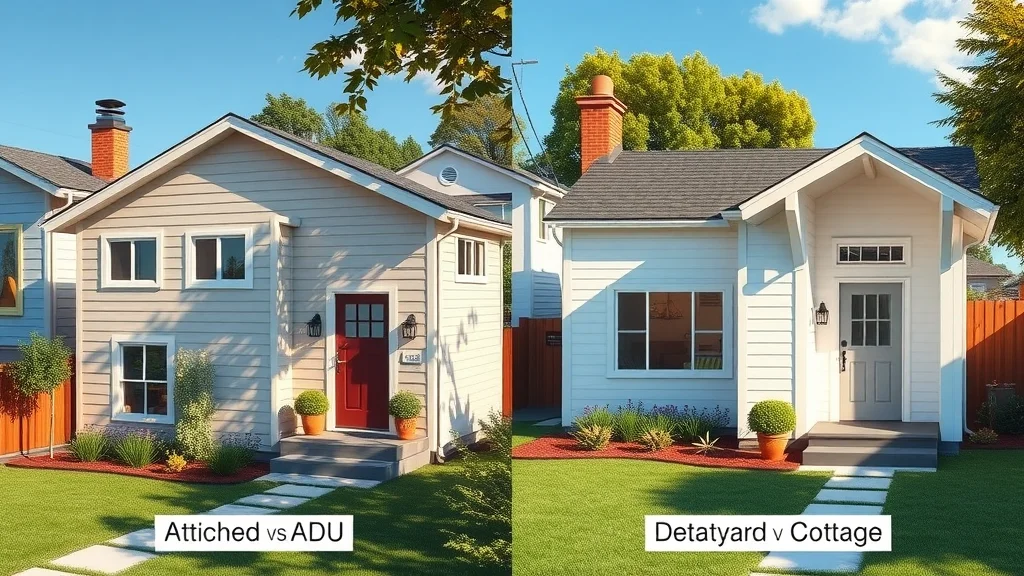
When choosing whether to build an attached or detached ADU, understanding the trade-offs is essential. Attached units leverage existing walls and utility connections, reducing construction and infrastructure costs. They generally have a lower cost per square foot—often around $220 compared to $250 or more for detached structures. However, detached ADUs offer maximum privacy, design flexibility, and rental appeal, often justifying their higher price for certain projects, especially in markets like San Jose. Detached units may be subject to stricter lot coverage and setback regulations, and their foundations, utility runs, and site work drive both complexity and cost. In all cases, your choice of ADU type will impact both short-term spending and long-term property value.
Prefab vs. Custom-Built: How Square Foot Cost Varies
-
Speed, convenience, and customization trade-offs
|
Average Cost Per Square Foot by ADU Type |
|
|
Type |
Cost/Sq Ft |
|---|---|
|
Garage Conversion |
$180 |
|
Detached |
$250 |
|
Attached |
$220 |
|
Prefab |
$170 |
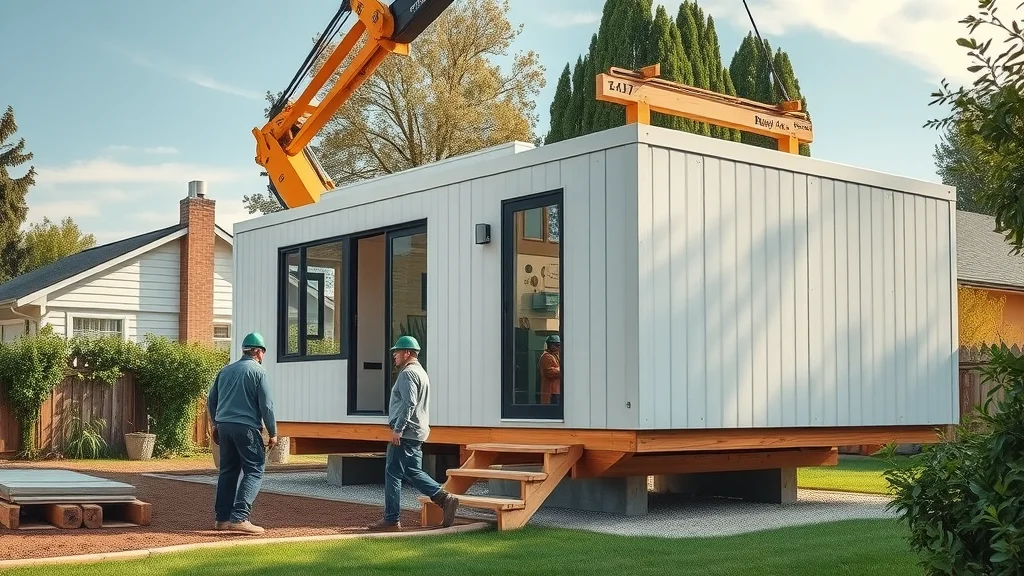
Prefabricated ADUs are an increasingly popular way to build an accessory dwelling unit rapidly without sacrificing key features. Prefabs are assembled off-site and transported as modules, dramatically reducing construction time on your property. On average, prefab ADU cost per square foot ranges from $170 to $200—a bargain compared to custom builds. The trade-off? Limited custom design options and potential site prep or utility complexity. However, when timelines and cost control matter most, prefab can be the ideal solution, especially where local zoning supports streamlined approvals for modular units. Custom builds, on the other hand, permit full design freedom but come with higher average costs and extended timelines; they’re best-suited for unique sites or homeowners desiring a fully tailored ADU design.
Permitting and Zoning: Essential Cost Drivers When You Build an Accessory Dwelling Unit
-
Local building permit fees
-
Zoning regulations for accessory dwelling units
-
Additional inspections and compliance costs
“Building permits for accessory dwelling units can range from $4,000 to $14,000, depending on the city.”
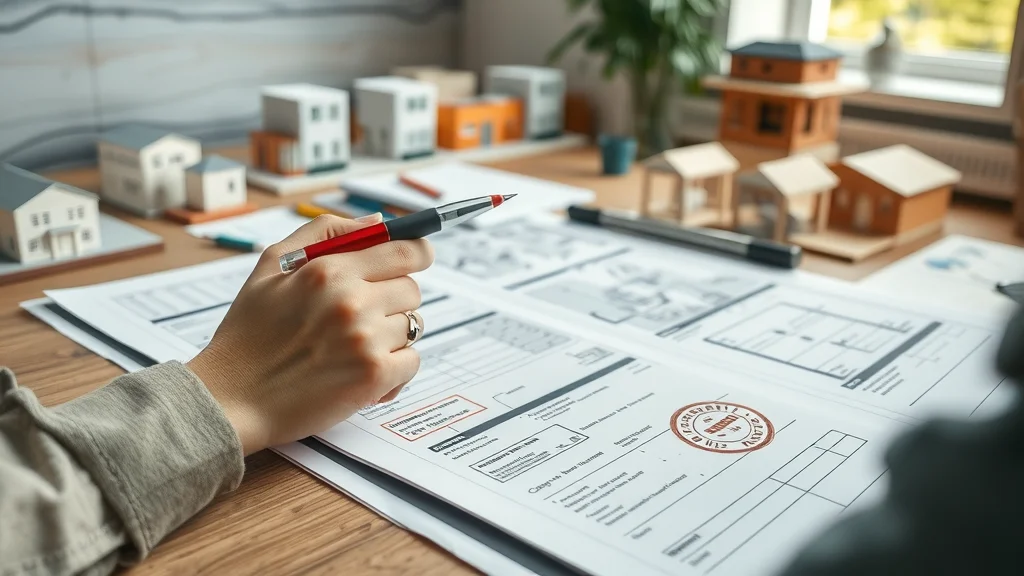
Often overlooked during early ADU planning, building permits and zoning compliance are among the most significant hidden expenses in any ADU project. Permit fees alone can range from $4,000 to $14,000 based on your municipality. Other costs stem from required architectural plans, environmental impact studies, and additional city inspections. Local zoning ordinances can dictate everything from maximum unit size and setback from property lines to whether garage conversions are allowed. It’s important to work with professionals who understand your local jurisdiction and can expedite the permitting process, minimizing costly project delays.
Hidden Expenses: Unexpected Costs in ADU Construction
-
Utility connections and upgrades
-
Soil or seismic engineering reports if required
-
Premium ADU construction materials
-
Long-term maintenance costs
Hidden or unexpected costs often catch homeowners off guard. Connecting an ADU to water, sewer, electricity, and gas sometimes requires trenching or main line upgrades—costs that can quickly add several thousand dollars to your build. In regions like the Bay Area, a soil or seismic report may be required, particularly for new detached units, adding to your engineering bill. Choosing upgraded appliances, smart home features, or luxury flooring also impacts long-term budget. Lastly, while new construction lowers initial maintenance, plan for ongoing repair and upkeep, ensuring your accessory dwelling unit remains comfortable and code-compliant for years to come.
How to Budget and Plan for Success When You Build an Accessory Dwelling Unit
Setting a Realistic Budget for Your Accessory Dwelling Unit
-
Contingency funds
-
Comparing upfront cost versus potential rental income

The key to successful ADU construction is thorough upfront budgeting. Start by researching the costs specific to your chosen ADU type—garage conversion, attached, detached, or prefab. Always include a contingency budget of at least 15–20% to cover unforeseen issues, such as utility complications or material delays. Compare expected rental income (if you plan to lease your ADU) to your mortgage or financing payments: many Bay Area ADUs command $2,000–$3,500 per month, which can quickly offset construction costs over time. Factor in permitting, design, appliances, site work, and furnishings for a full picture. Transparent, line-by-line budgeting will protect your investment and help avoid unpleasant surprises.
Financing and Incentives for Building an Accessory Dwelling Unit
-
Construction loans, home equity
-
Local grants, support for affordable housing

Financing options for ADUs have expanded considerably in recent years. Home equity loans and HELOCs (home equity lines of credit) are the most common, tapping into existing mortgage value to fund construction. Specialized construction loans now exist for ADUs, offered by several banks and credit unions. In some regions, local governments provide grants, rebates, or fast-track permits for homeowners building an ADU that will be leased at affordable rates. Investigate these options early, and consult a knowledgeable financial advisor who understands the nuances of ADU lending and incentive programs.
A visual walkthrough: from site selection and permits to foundation, framing, and finishing, see every key phase of building an accessory dwelling unit done right.
People Also Ask: Your Top ADU Cost Questions Answered
Is it cheaper to build an ADU or buy a prefab?
-
Analysis of prefab vs. traditional build costs for accessory dwelling unit projects
Short answer: It’s often cheaper to go prefab for smaller, simpler designs—averaging $170–$200 per square foot—because manufacturing and assembly time are minimized. Traditional construction offers more customization but with higher costs, especially for unique sites or luxury features. Always weigh speed and price against your need for custom design.
What is the cheapest way to build an ADU?
-
Garage conversion, limiting square footage, modular approaches
The least expensive way to build an accessory dwelling unit is usually by converting your existing garage. Cost savings come from having a foundation, frame, roof, and utility access already in place, keeping the average price around $80,000–$150,000. Keeping the footprint under 500 square feet and limiting high-end finishes further trims expenses. Prefab ADUs can also be affordable, especially for basic “studio” styles.
Is it cheaper to build an ADU or add an addition?
-
Cost comparison by square foot and use cases
Generally, garage ADU conversions and prefabs are less expensive on a per-square-foot basis than large home additions, due to simpler permitting and infrastructure needs. However, additions may provide more seamless integration with your main living space. An addition may run $250–$400 per square foot, while an ADU (especially garage conversion) may be achieved for $180–$250 per square foot, depending on complexity.
What are the common mistakes when building an ADU?
-
Underestimating permitting costs, ignoring site conditions, poor planning
Common pitfalls include failing to research local zoning rules, underestimating the cost and timeline for permits, neglecting site prep and utilities, and skipping over professional help in ADU design or project management. Rushed planning can result in costly setbacks, failed inspections, and extended timelines. Always consult with experienced ADU builders and use detailed budgets.
California Spotlight: Bay Area Costs to Build an Accessory Dwelling Unit
-
Regional price fluctuations in San Jose and the greater San Francisco Bay Area
-
Golden View Renovation case studies: Real numbers from recent projects
The Bay Area—especially cities like San Jose—continues to see higher-than-average ADU construction costs due to skilled labor shortages, higher permit fees, and strict local regulations. Detached ADUs here regularly reach $350,000 or more, while garage conversions hover above $130,000. Golden View Renovation’s recent projects showcase this range: a 400-square-foot detached cottage in Sunnyvale finished at $170,000, while a high-end 800-square-foot ADU with upgraded features in Palo Alto exceeded $315,000. Regional knowledge and a well-established builder are essential in this competitive market.
Expert Tips: Avoiding Budget Strain and Delays When Building an Accessory Dwelling Unit
-
Consulting professionals early
-
How to spot hidden costs in ADU construction
-
Tips for expediting your building permit approval
The best defense against ADU cost overruns is thorough prep work. Connect with a qualified ADU designer or general contractor early to identify red flags in your site, local permitting rules, or utility access. Request itemized bids, ask about “soft costs” (permits, plans, inspections), and recognize that the lowest price isn’t always the best value. Leverage builder experience to speed up approvals—professionals know local inspectors and required documentation, ensuring your project keeps moving.
Learn directly from leading Bay Area experts: Golden View Renovation shares strategies for smart ADU budgeting, project flow, and avoiding common mistakes.
Lists: Pitfalls to Avoid and Must-Have Budgeting Tools for ADU Planning
-
Top 5 Common Mistakes in Building an ADU:
-
Skipping professional feasibility studies
-
Underestimating project timeline and soft costs
-
Ignoring utility upgrade requirements
-
Poor planning of living space layout
-
Choosing the lowest bid over proven expertise
-
-
7 Essential Tools for Planning and Budgeting Your Accessory Dwelling Unit:
-
Detailed project budgeting spreadsheet
-
Online ADU cost calculator
-
Sample architectural ADU plans
-
Permit checklist from your local city/county
-
Project management software (like Trello, Buildertrend, or CoConstruct)
-
Financing and loan comparison worksheet
-
Inspection day checklist
-
Frequently Asked Questions: Building an Accessory Dwelling Unit
-
What permits do I need?
Permits for ADU construction depend on your city or county, but generally you’ll require planning/zoning approval, building permits, and multiple inspections (including foundation, structural, and utility work). Some communities also require specific parking solutions or environmental reviews. -
How long does construction take?
After design and permits, most professional ADU builds take 4–9 months. DIY projects may stretch up to 18 months, especially around permitting or specialty trades like plumbing and electrical. -
What are the returns if I use my ADU for rental income?
Rental rates depend on unit size, finishes, and location. In the Bay Area, renting a new ADU can often provide $2,000–$3,500 per month, helping recover construction costs in under a decade and increase your primary residence’s value.
Key Takeaways: How Much Does it Really Cost to Build an Accessory Dwelling Unit?
-
Typical ADU project costs in the Bay Area range from $130,000 (garage conversion) to $400,000+ (high-end detached units).
-
DIY can save money but often lengthens timeline; professional construction ensures compliance and smooth project flow.
-
Every detail—from permits to finishes—dramatically affects your final budget. Partner with experts and plan for contingencies.
Ready to Turn Your Accessory Dwelling Unit Plans into Reality?
-
Contact the team at Golden View Renovation for expert guidance on your ADU construction, from budgeting to final inspection.
Connect with one of our team Experts to get more information on how to expand your home in the smartest and best way possible.
If you’re considering an ADU but want to explore other ways to expand your living space or boost your property’s value, learning about room addition strategies and best practices can open up new possibilities. Whether you’re weighing the benefits of a full addition versus an ADU, or simply want to understand how each approach impacts your home’s functionality and resale potential, this resource offers valuable guidance. By broadening your perspective on home expansion, you’ll be better equipped to make confident, future-focused decisions. Dive deeper into the options and discover which path aligns best with your goals for comfort, flexibility, and long-term investment.
Sources
-
San Francisco Planning – https://sfplanning.org/resource/adus-san-francisco
-
Golden View Renovation – https://www.goldenviewrenovation.com/
Building an accessory dwelling unit (ADU) can be a strategic way to enhance your property’s value and generate additional income. To gain a comprehensive understanding of the process, including design considerations, permitting, and construction phases, the City of Boston offers a detailed guide titled “Accessory Dwelling Units (ADUs) in Boston”. (boston. gov) For those interested in a more hands-on approach, Shelter-Kit provides customizable DIY ADU kits designed for easy assembly, allowing homeowners to build units tailored to their specific needs. (shelter-kit. com) If you’re serious about building an ADU, these resources will equip you with the knowledge and tools necessary to navigate the process effectively.