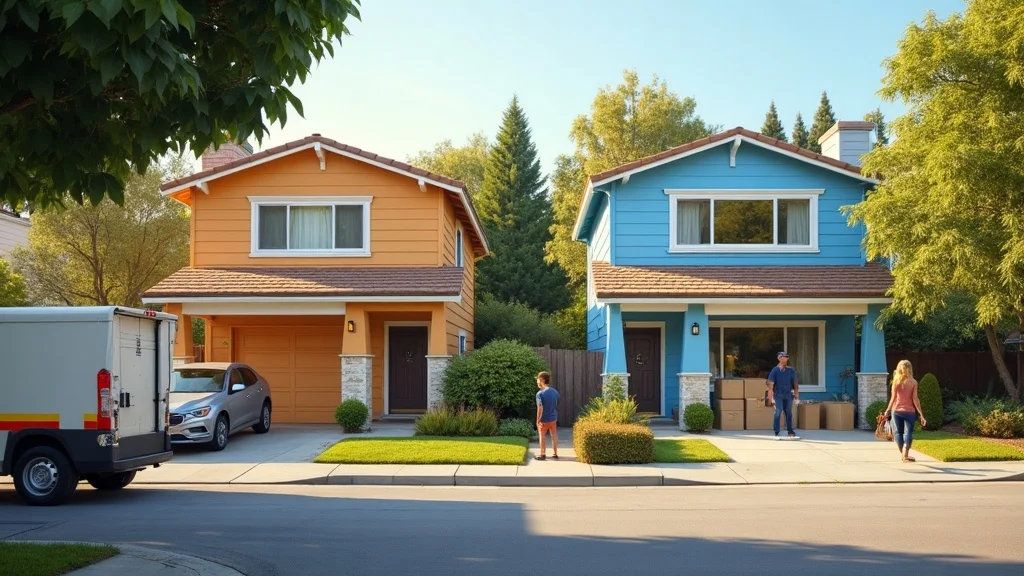

Are you rethinking your living space and wondering if expanding your home is smarter than starting over somewhere new? It’s a question many Bay Area homeowners face—should you invest in a home addition, or is it more sensible to move to a larger house? With real estate prices soaring and the prospect of a renovation not always as straightforward as it seems, making the right choice could have lasting implications for your finances, lifestyle, and happiness. Let’s unravel the facts and expert advice so you can confidently plan your next move (or addition).
Are You Facing the Choice Between a Home Addition and Moving?
It’s common in today’s red-hot Bay Area real estate market to need more space—an extra bedroom for a growing family, a bright new living room, or maybe a home office to make your home work for you. Many homeowners wrestle with whether to pursue a home addition or enter the competitive search for a new property. While moving offers a blank slate, adding an addition lets you invest in your existing home and neighborhood. However, the decision isn’t just about preference; it demands weighing finances, disruptions, and the unique logistics of Bay Area living.
- Many Bay Area homeowners wrestle with expanding their home addition or purchasing a new home amid rising real estate prices.
- The decision is often more nuanced than it first appears. Let’s break down the key factors in a straightforward list format.
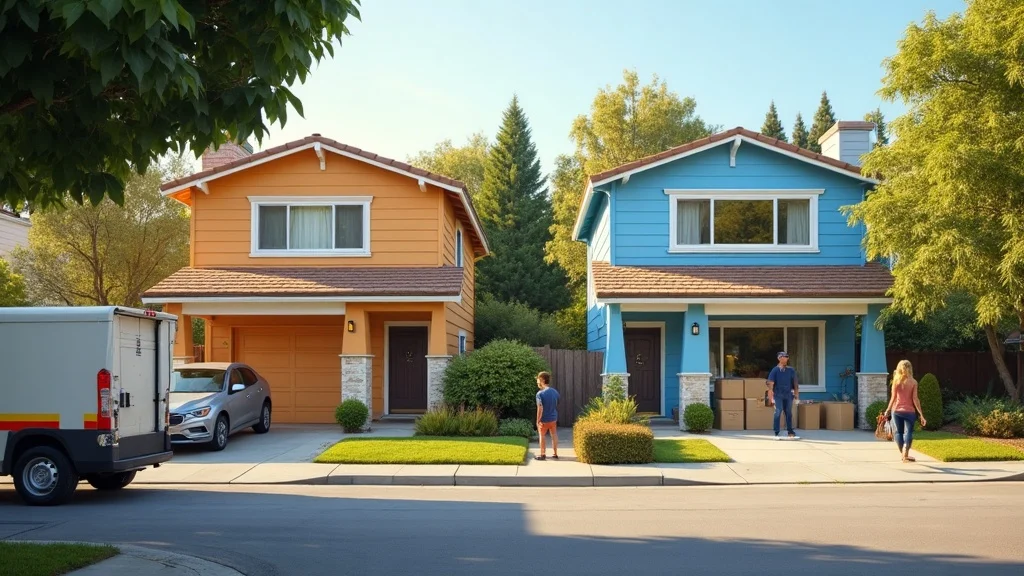
What You’ll Learn from This Home Addition vs Moving Guide
- How to compare renovation costs with today’s housing market realities
- Financial and lifestyle implications of a home addition versus moving
- Key elements influencing the cost of a home addition
- A ranked list of considerations from top Bay Area renovation experts
Quick Comparison: Home Addition vs Moving
| Factor | Home Addition | Moving |
|---|---|---|
| Average Cost per Square Foot | [insert local average data if available] | [insert local average data if available] |
| Disruption to Daily Life | Moderate | High |
| Impact on Equity | Increases Value | Dependent on Market |
| Permits/Zoning Required | Yes | No |
1. Cost Analysis: Home Addition Square Footage vs Buying New
When contemplating a home addition versus moving, the numbers are crucial. The average cost per square foot to build an addition in the Bay Area often exceeds national averages, but it can still represent a solid investment—especially when compared with the sticker shock of buying a new property. Material costs, labor, and the sometimes-unexpected expense of permit compliance in local zoning laws all factor into the equation. Beyond the construction, don’t forget connecting your new space to existing systems like HVAC or updating your electrical to code standards, which can influence the final cost.
By contrast, moving means incurring additional expenses: paying realtor commissions, moving costs, potential renovations needed in the new home, and dealing with the relentless rise in Bay Area housing prices. The difference in square footage—what you gain with an addition versus what you’d need to purchase anew—should be considered in tandem with quality of life, disruption, and investment potential. Carefully evaluating your addition project upfront can shed light on your best path forward.
Evaluating Square Foot and Square Footage
- Home addition costs are often measured by square foot.
- Compare average square footage expansion costs versus buying a larger house.
- Consider construction, permits, and utility upgrades for room additions.
“Adding an addition can meaningfully boost square footage but the dollar-per-square-foot figures can be misleading without accounting for permits and code upgrades.”

As you weigh the financial and logistical aspects of expanding your current home, it can be helpful to understand the guiding principles that shape reputable renovation projects. For a closer look at the core values and mission that drive trusted Bay Area contractors, explore the company’s approach to quality and client satisfaction before making your decision.
2. Increasing Living Space: Value of Home Additions
Homeowners often opt for types of home additions to solve the need for extra space, whether it’s adding an extra bedroom, opening up the living room, or constructing a dedicated home office. In high-demand areas, expanding your living space rather than hunting for a new dream home can boost your comfort and investment at once. Consider how room additions, garage conversions, or a bump-out can not only serve today’s needs but also improve your home’s future resale value.
Well-executed home additions align with the home’s existing architecture and layout, making your home feel valuable and seamless. By increasing square footage thoughtfully, your addition project may recoup much of its cost in the Bay Area’s competitive market—especially if you plan smartly and select popular home improvement trends like ADUs.
Types of Home Additions in Today’s Market
- Room addition (bedroom, bathroom, family room)
- Garage conversions
- Second-story home additions
- Bump-outs
- In-law units (ADUs)
Return on Investment with Home Additions
- Expanded living space can enhance lifestyle and future resale value.
- Well-planned home additions often recoup much of their cost in sought-after markets like the San Francisco Bay Area.

3. Home Addition: Navigating Permits and Zoning Laws
One of the most underrated challenges in any home addition project—especially in the Bay Area—is securing the proper permits and navigating complex zoning laws. Each municipality has unique regulations, from setback rules to limitations on the footprint (maximum lot coverage) and specific allowances for accessory dwelling units (ADUs). Homeowners can find the approval process daunting, with many discovering that even a modest addition may trigger requirements for code upgrades (including safety, energy efficiency, or accessibility) that price-conscious homeowners must plan for.
Conversely, moving sidesteps these requirements but may expose you to the unknowns of a different neighborhood’s zoning laws—especially if you intend to undertake renovations in your next home. Carefully addressing these municipal hurdles early can help prevent costly surprises and unnecessary project delays.
Understanding Local Zoning Laws in the Bay Area
- Each city or county will have different zoning law hurdles for home additions.
- Setback rules, maximum lot coverage, and ADU allowances matter when adding an addition.
“Homeowners are often surprised by the complexity of permits required for even a modest home addition.”
4. Disruption and Lifestyle Factors: Room Additions vs Relocation
Expanding your existing home lets you remain in your beloved neighborhood, but it comes with a different set of hurdles than moving. Living through a home addition means months of dust, construction noise, periodic shut-downs of key areas like your living room or kitchen—and all while adjusting your routines. Depending on the size and type of room addition, daily life can feel cramped and cluttered for weeks or even months.
On the flip side, moving involves packing up your entire world, transitioning kids to new schools, and adapting to unfamiliar surroundings. Uprooting is rarely easy and comes with both hidden costs (services, deposits, changes in commute) and the stress of leaving comfort zones. The impact on your social ties and sense of belonging is not to be underestimated—a key consideration when weighing lifestyle factors alongside finances.
- Home additions mean living through construction dust, noise, and limited space for months.
- Moving means packing, uprooting your life, new schools, and unknown neighbors.

5. Long-term Value: Equity and Resale for Home Additions
Investing in a home addition is one of the surest ways to build equity—especially in the Bay Area, where demand for homes often outpaces inventory. A well-designed addition to your existing home can make it more appealing to buyers if you sell later, and it lets you increase your comfort level in the meantime. In many cases, room additions, extra square footage, or a modern home office raise your property’s market value by providing the amenities that local buyers actively seek.
However, the benefits are maximized when the project complements your home’s architectural style and meets the needs of prospective purchasers. Weigh these gains against the risks of market volatility if you choose to move—the right home addition project can bring greater returns and less risk in fluctuating housing cycles.
- Room additions and expanding square footage can significantly increase home value.
- Weigh potential equity gain through a well-designed addition versus the market volatility of buying a new home.
6. Financing Options for Home Addition Projects
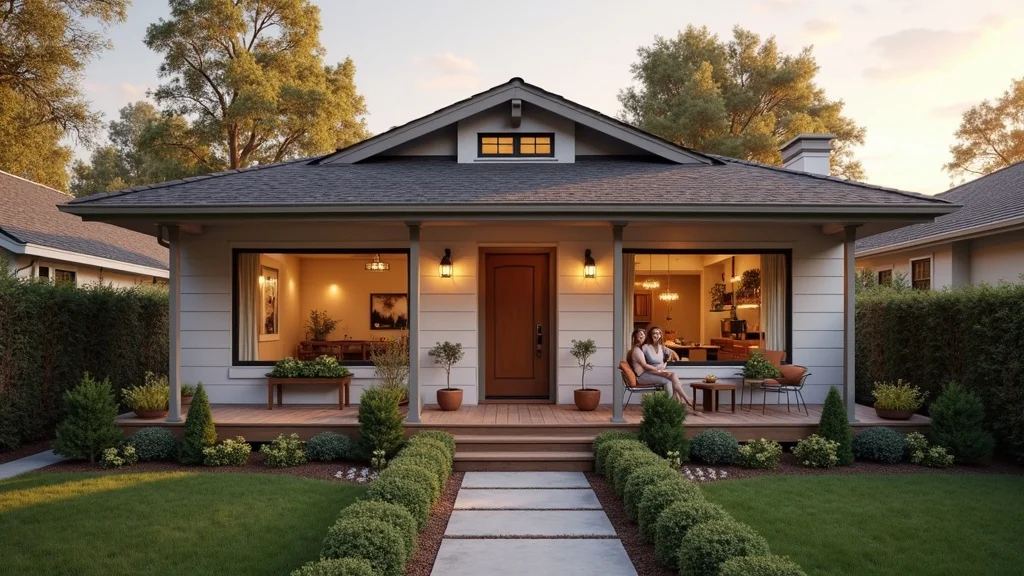
The variety of financing options for a home addition empowers homeowners to pursue projects that add space or function while maximizing return on investment. Popular routes include home equity loans or home equity lines of credit (HELOCs), which leverage your current equity, as well as construction-specific loans tailored for larger projects. Bay Area owners should also explore municipal programs and incentives—especially those aimed at encouraging ADUs, which can offset costs and deliver rental income.
Understanding the nuances of each financing mechanism—and consulting with experts—ensures your budget lines up with your design dreams while protecting your financial standing in the long term.
- Home equity loans and lines of credit for home additions
- Construction loans
- Explore local incentives for certain types of home additions, such as ADUs
7. Timeline Breakdown: Home Addition vs Home Purchase
Home addition projects typically unfold over several months. The process usually begins with design consultations, continues with permitting, and moves on to construction itself—which may be hampered or accelerated by the efficiency and experience of your contractor. Complexity increases if you’re building a second story, expanding a kitchen, or must bring older elements of your home up to current codes.
By comparison, buying a home can swing between quick and protracted—contingent on finding the right property, the state of the market, and the unpredictable turns of real estate transactions. Factoring in selling your current home, securing a mortgage, and physically moving often stretches the total timeline well beyond initial expectations.
- Home addition projects often take several months from design to permits to construction.
- The home-buying process can be unpredictable and heavily dependent on the real estate market.
8. Real-Life Examples of Types of Home Additions
It’s helpful to see how other Bay Area homeowners have navigated this crossroads. In one case, expanding with a room addition enabled a family to remain in their neighborhood, adding a sun-filled breakfast nook and home office. The investment made their existing home a perfect fit for their growing family and significantly boosted resale value when they eventually decided to upsize.
In contrast, another family weighed the hurdles of local zoning laws and opted to move rather than pursue a second-story addition. While they avoided the permit maze, they encountered higher-than-expected purchase costs, moving expenses, and the emotional burden of starting over. These real-life scenarios highlight the necessity of evaluating all angles before making a decision.
- Case 1: Expanding with a room addition increased living space and resale dramatically.
- Case 2: Moving to a new home avoided the permitting process, but led to unforeseen costs.
9. Expert Insights: Home Addition Considerations in the Bay Area
“Room additions are particularly valuable in areas where buying up is nearly impossible due to housing shortages.”
- Consult with a Bay Area contractor who knows local building codes and market values.
People Also Ask about Home Additions
How much does it cost to add 1000 sq ft to a home?
- The cost can vary significantly depending on home addition type, location, and finishes. Many Bay Area projects see costs ranging higher than the national average per square foot.
Is it cheaper to build a house or add an addition?
- Home additions can be more cost-effective than a full new build, especially if you have land and infrastructure in place. Zoning laws may impact this decision.
What is the cheapest addition to a house?
- Simple room additions and garage conversions tend to offer the lowest cost-per-square-foot increase to your living space.
How much does it cost to build a 20×20 addition?
- A 400-square-foot addition varies by region and type of home addition. Always factor in permits, materials, and labor costs for accurate budgeting.
Homeowner-guided walkthrough of an ongoing Bay Area home addition project, showing major construction phases, before-and-after shots, and friendly commentary on design decisions and challenges, set in a real residential environment.
Experience a time-lapse of a typical home addition in the Bay Area—from breaking ground to finishing touches, showcasing transformation and construction expertise on display.
Key Takeaways for Home Addition vs Moving Decisions
- Weighing all direct and indirect costs is critical.
- Home additions can maximize investment in the Bay Area housing market.
- Local zoning laws play a pivotal role.
- Room additions may offer lifestyle and financial flexibility.
Frequently Asked Questions about Home Additions
- Can I live at home during a home addition project?
Answer: Many homeowners stay onsite during renovations, though it requires patience and flexibility. Construction zones may disrupt routines, but clear planning with your contractor can help minimize the impact and keep your living conditions manageable. - What types of home additions add the most value?
Answer: Generally, kitchen expansions, additional bedrooms or bathrooms, and well-designed ADUs provide the most substantial return on investment because they meet high Bay Area demand and expand your living space. - How do I choose between a room addition or moving?
Answer: Assess your budget, desired living space, and lifestyle priorities. If your current home can accommodate expansion and you love your neighborhood, a home addition may be ideal. If local zoning laws are restrictive or your needs exceed your lot’s potential, moving may offer more flexibility.
Ready to Discuss Your Home Addition Plans?
- Contact the team at Golden View Renovation to evaluate whether a home addition makes sense for your needs.
Conclusion
Choosing between a home addition and moving is deeply personal and financial. With strategic planning, expert guidance, and a full understanding of Bay Area realities, you can invest wisely for both your lifestyle and the long-term value of your home.
If you’re interested in learning more about the people and expertise behind successful Bay Area renovations, take a moment to discover the story and experience of the team at Golden View Renovation. Their commitment to quality craftsmanship and client-focused service can provide valuable perspective as you plan your next steps. Whether you’re considering a home addition or a move, understanding the background and approach of your renovation partner can make all the difference in achieving your dream home.
Sources
- Houzz – https://www.houzz.com/magazine/home-addition-costs-stsetivw-vs~145952551
- Remodeling Magazine – https://www.remodeling.hw.net/cost-vs-value/2023/
- Realtor.com – https://www.realtor.com/advice/buy/new-home-vs-remodeling/
- Bay Area Additions – https://www.bayareaadditions.com
When considering whether to expand your current home or relocate, it’s essential to understand the financial implications of each option. The article “Home Addition vs. Moving: Which Makes More Financial Sense?” provides a comprehensive analysis of the costs and benefits associated with both choices. It highlights that home additions can often be more cost-effective than moving, especially when factoring in expenses like real estate commissions, moving costs, and the potential for increased property value through renovations. (ezuconstruction.ca)
Additionally, the “Home Addition Cost in the Bay Area: 2026 Per-Square-Foot Guide” offers detailed insights into the current costs of various types of home additions in the Bay Area. This resource breaks down expenses by addition type, providing homeowners with realistic budget expectations and helping them make informed decisions about expanding their living space. (archgeneralconstruction.com)
If you’re evaluating the financial and practical aspects of home additions versus moving, these resources offer valuable information to guide your decision-making process.