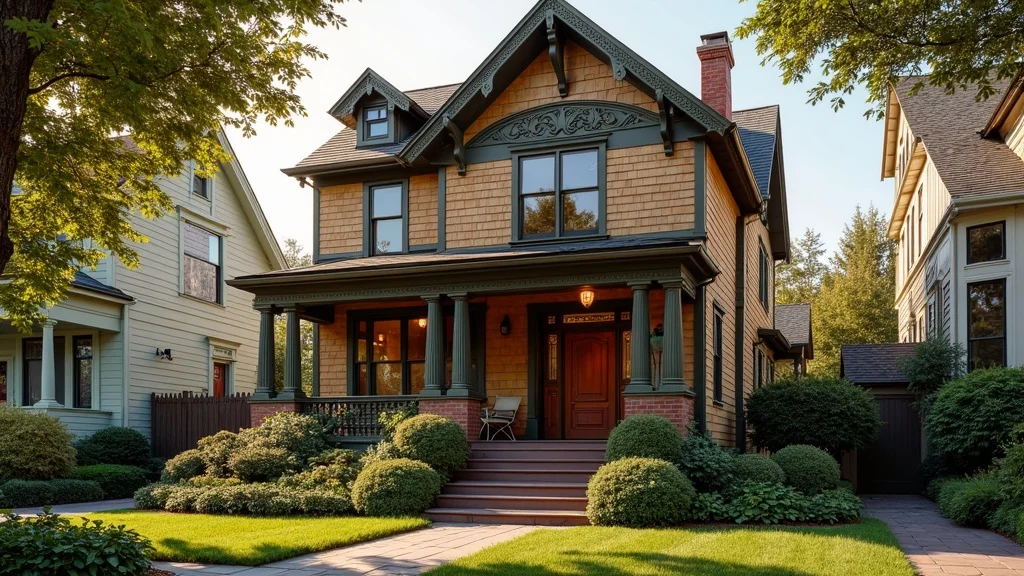

Hook: Ever wondered if it’s possible to give your historic Bay Area home a fresh, modern feel—without erasing the charm and craftsmanship that make it unique?
Welcome to the ultimate guide for homeowners determined to modernize their classic Bay Area homes while carefully preserving their soul. If you’re asking yourself how to thoughtfully update your house without sacrificing the stunning woodwork, intricate details, and irreplaceable character that drew you to it in the first place, you’re in the right place. Let’s dive into a blueprint for harmonizing heritage with the best of contemporary living in your next home remodel.
Preserving Charm Amid Change: Can Home Remodel Projects Truly Blend the Old with the New?
Balancing preservation with progress is the cornerstone of a rewarding home remodel—especially for older Bay Area homes. Many residents are motivated by the hope of weaving modern convenience and style into a home long defined by its history, but doing so can be both an exciting and daunting challenge. The secret is to approach every decision with respect for your home’s origins, making sure every upgrade amplifies rather than erases what makes the property special.
Modern building techniques allow you to achieve energy efficiency, improved safety, and custom functionality. Yet, as contractors and architects will confirm, the finest home renovations rely on preserving irreplaceable period details, sourcing matching materials, and using skilled craftspeople. You don’t have to choose one or the other—with the right planning, your home remodel can genuinely offer the best of each world.
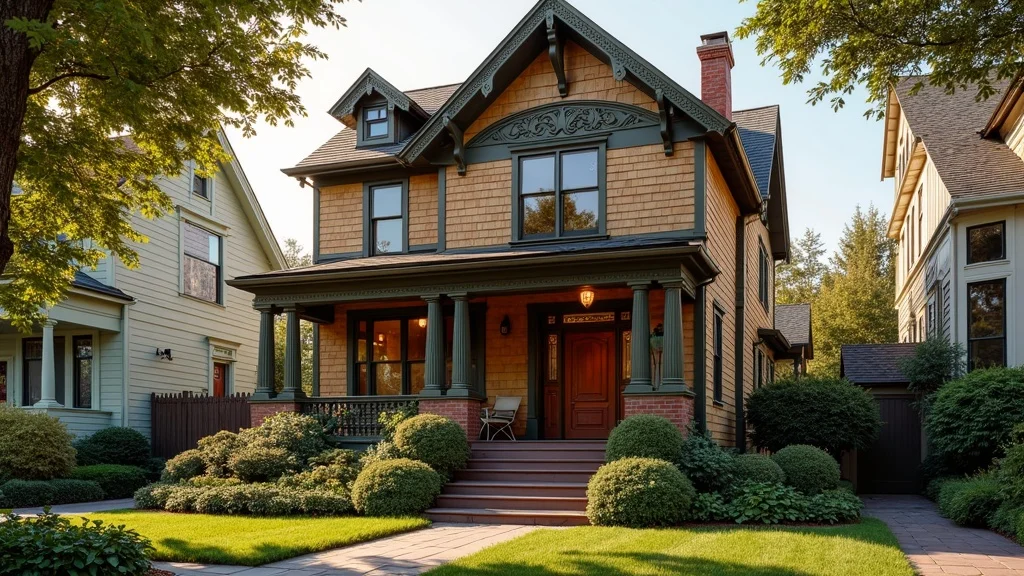
What You’ll Learn About Home Remodel and Home Renovation
- Strategies for modernizing older homes without erasing history
- Key considerations for Bay Area home remodeling
- Best practices for sustaining architectural character
- Tips for integrating modern amenities with classic character
- Room-by-room home remodel advice
- How to select the right contractor for your home remodel
Understanding Bay Area Home Remodel Challenges
The Distinctiveness of Older Bay Area Homes
Older Bay Area homes are prized for their picturesque facades, intricate woodwork, and spacious interiors featuring high ceilings and elegant moldings. Whether Victorian, Craftsman, or mid-century modern, these properties evoke nostalgia and offer a tangible link to the past. However, their quirky layouts, original materials, and construction techniques often present unique challenges during home remodels. Preserving signature elements—be it the hand-carved mantels in a living room, custom trim around the dining room, or stained-glass windows—demands both vision and expertise.
Understanding the specifics of your home’s historic style is a vital first step. Research if your home falls under any historic preservation codes, and consult with design experts familiar with Bay Area architecture. This will ensure your home remodeling project pays homage to classic aesthetics while setting a stage for updating the space with confidence.
For a closer look at how open concept layouts can be achieved while honoring original architectural details, explore this open concept kitchen and living room remodeling project that demonstrates the balance between modern flow and historic charm in a Bay Area home.
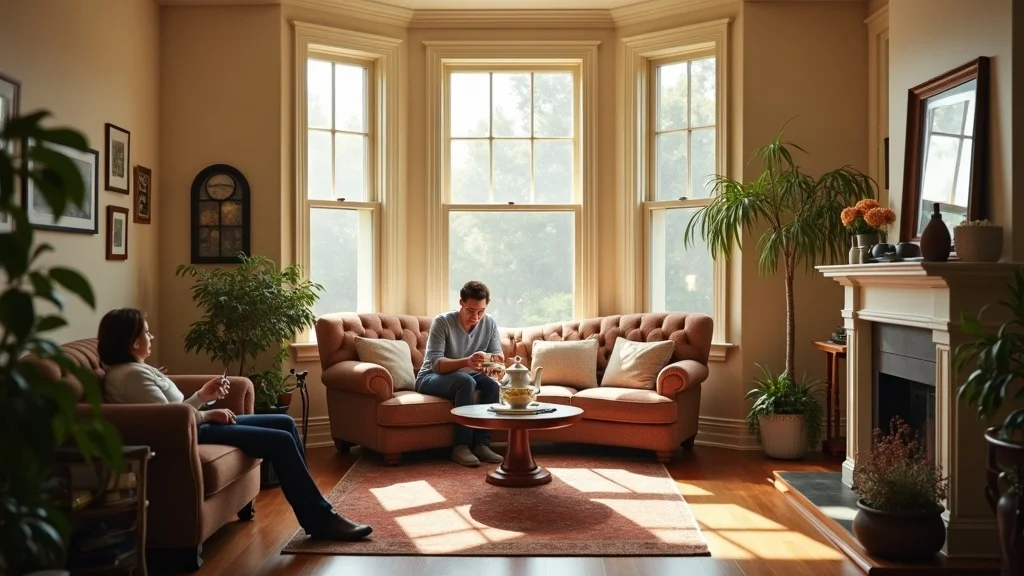
Common Issues Faced During Home Remodeling and Renovations
Remodeling older homes can uncover surprises that newer homes rarely present. Outdated wiring, inadequate insulation, sloping floors, asbestos, lead paint, and non-standard room sizes are just a few hurdles that may arise. Successfully tackling these problems often requires a strategic approach: working with qualified inspectors, selecting the right general contractor, and setting aside a contingency budget for unexpected costs.
Additionally, adhering to local codes can be tricky as they evolve regularly to accommodate seismic activity, energy efficiency standards, and neighborhood aesthetic considerations. Coordination with the local building department and hiring professionals who are familiar with the complexities of Bay Area home remodel projects are essential for a smooth and successful renovation experience.
Home Remodel Planning: Where to Start and Key Considerations
Establish Your Remodeling Goals
Before any demolition or design work, define your goals. Are you modernizing for personal enjoyment, increasing the home’s value, or preparing for resale? Perhaps your wish is for a seamless indoor-outdoor connection, a chef’s kitchen, or a brighter, more open layout. Identifying your first priorities helps shape every decision that follows and ensures your budget is allocated smartly across spaces like the dining room, kitchen, or bathroom nook.
List must-haves and nice-to-haves for your home remodel. Include ideas like wall cabinets for added storage, energy-efficient appliances, or restoring intricate trim work. Sharing your vision with your contractor or designer will keep the project focused and help avoid costly changes midstream.
Assessing the Architectural Integrity
Step back and take stock of what makes your home unique. Original materials such as hardwood floors, plaster walls, antique light fixtures, and carriage-style garage doors should often take priority for retention over replacement. Use photography to document special features before work begins so that anything removed can be replicated or restored.
If you encounter non-original add-ons or modifications that clash with your home’s character, now is the perfect time to replace them with more period-appropriate selections. Honoring architectural integrity not only preserves value but can become a central theme for the entire renovation project.
Navigating Bay Area Regulations and Permits
San Francisco Bay Area homes are subject to region-specific permitting and inspection processes. Historic homes, especially, may fall under additional review boards that monitor exterior alterations or dictate which materials and colors can be used. Partner with a general contractor who is deeply familiar with local building codes and permitting offices. This professional guidance is invaluable for avoiding delays and unexpected compliance costs.
Plan ample time for permitting—some projects, especially those altering the footprint of the home or impacting structural elements, may require neighborhood notification, multiple plan reviews, and even scheduled site visits by city officials. Working with experts pays off by streamlining this complex process.
Retaining Character Through Thoughtful Home Renovation
- Maintain and restore original woodwork, moldings, and fixtures wherever possible for authenticity.
- Source new materials that closely match the era’s style and construction—think custom wood windows or hand-cut tile for the kitchen remodel.
- Choose period-appropriate color palettes and gently update finishes for a look that feels fresh yet true to your home’s origins.
Specialists in historic home renovation recommend always starting with preservation and restoration. Refurbishing elements like pocket doors, leaded glass, and decorative ceiling medallions, then matching new installations to existing details, ensures seamless blending. Even details such as kitchen cabinets and bathroom cabinets can retain hints of the past while meeting today’s storage and usability standards.
Kitchen Home Remodel: Blending Tradition and Modern Functionality
Revamping Kitchen Cabinets for Heritage Appeal
Updating the kitchen is the centerpiece of many Bay Area home remodels. Custom kitchen cabinets with period details—such as glass-front doors, beveled panels, and classic hardware—can revive the spirit of an old-world kitchen while supporting modern function. Consider repainting or refinishing existing cabinet boxes, adding soft-close hinges, and installing pull-out trays.
By coordinating cabinetry finishes with other millwork, your new kitchen remodel avoids the ‘cut-and-paste’ look that can detract from period charm. Use a mix of open shelving for display and clever inserts for maximizing utility in oddly sized nooks, common in historic homes.
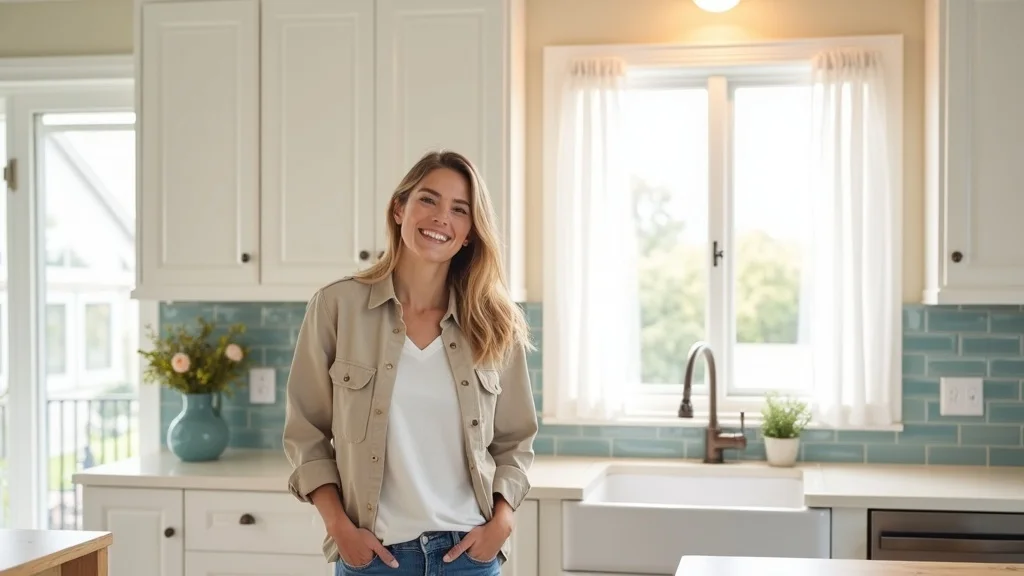
Creating a Kitchen Island That Fits Your Home’s Aesthetic
A kitchen island can functionalize a period kitchen, adding prep space, seating, and storage. For a seamless fit, design your island with details that match the original architecture: turned legs, beadboard panels, or reclaimed wood tops. Soft colors, stone or wood work surfaces, and under-island shelving keep the new feature visually light in a historic setting.
Remember the layout of your kitchen matters—ensure the island’s placement maintains clear walkways and sight lines, especially in a space that may have a compact or non-symmetrical floor plan typical of older Bay Area homes.
Upgrading Appliances Discreetly in a Historic Layout
You don’t have to let modern appliances dominate your historic kitchen. Instead, seek panel-ready dishwashers and refrigerators that blend in with cabinetry, or opt for classic finishes that echo the era. Consider relocating or integrating appliances into former pantry or storage spaces so they don’t disrupt period sightlines or covered features like original tile or woodwork.
Small upgrades—like swapping outdated stoves for modern, vintage-look ranges or adding cleverly hidden microwave drawers—deliver 21st-century convenience while keeping the visual focus on your kitchen’s historic appeal.
- Kitchen Remodel Do’s: Do save original cabinetry where possible, integrate modern appliances subtly, and use classic materials with new technology.
- Kitchen Remodel Don’ts: Don’t replace historic details with trends that may quickly date the space or ignore the need for professional installation when custom work is needed.
“Modern kitchens can live harmoniously with original details if you respect the home’s roots.” – Bay Area Design Expert
Bathroom Home Remodels: Timeless Touches with Modern Comfort
Restoring or Replacing Historic Fixtures
The right bathroom remodel pays homage to heritage and delivers the comfort expected in modern times. Restoring clawfoot tubs, pedestal sinks, and period faucets brings instant character. When replacement is necessary, source reproduction fixtures or mix updated essentials—like frameless glass for a shower—with vintage tiles or wainscoting for a timeless effect.
Focus on craftsmanship. Classic hex-tile floors, subway walls, and antique brass or nickel hardware beautifully complement fresh, spa-inspired paint colors and lighting for a balanced, luxurious vibe in your updated bathroom nook.
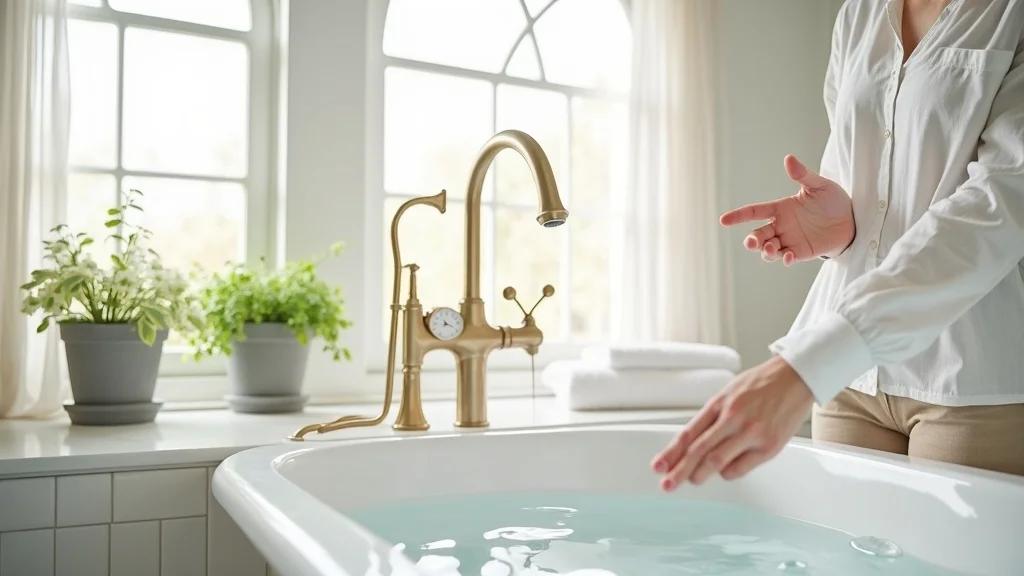
How to Create a Bathroom Nook with Vintage Vibes
Set aside a cozy corner for a dedicated bathroom nook—a space for soaking, makeup, or simply relaxing. Use decorative glass shelving, period sconces, and vintage mirrors to amplify the sense of sanctuary. Modernize with radiant-heat floors and energy-efficient LED light fixtures while keeping the style true to the home’s era through tilework or millwork details.
For small-scale bathroom remodels, prioritize updates that combine function and nostalgia without crowding the space. Updating plumbing with professional installation services allows for luxurious shower experiences, while carefully chosen finishes marry comfort with classic design.
- Top 5 Bathroom Renovation Mistakes to Avoid:
- 1. Removing all historic fixtures rather than restoring where possible.
- 2. Failing to waterproof and insulate behind new tile work.
- 3. Overlooking period-appropriate lighting and paint choices for the bathroom nook.
- 4. Skimping on ventilation and climate control (like a modern cooling system).
- 5. Choosing trendy finishes that clash with home’s existing character.
Living Room and Dining Room Makeovers in Home Remodels
Opening Floor Plans While Keeping Historical Elements
Many homeowners dream of creating an open-concept living room and dining room to promote flow and light. Achieving this while preserving the home’s legacy means making smart structural decisions: keep or retrofit decorative columns, ceiling beams, and original fireplaces as visual anchors. Refinish hardwoods, restore plaster wall details, and create clear transitions between old and new spaces for a cohesive look.
Replace non-original walls with built-in shelving, arched openings, or decorative trims that recall the home’s past. Each room makeover should embrace historical materials and strike a balance between spaciousness and the intimacy older homes provide.
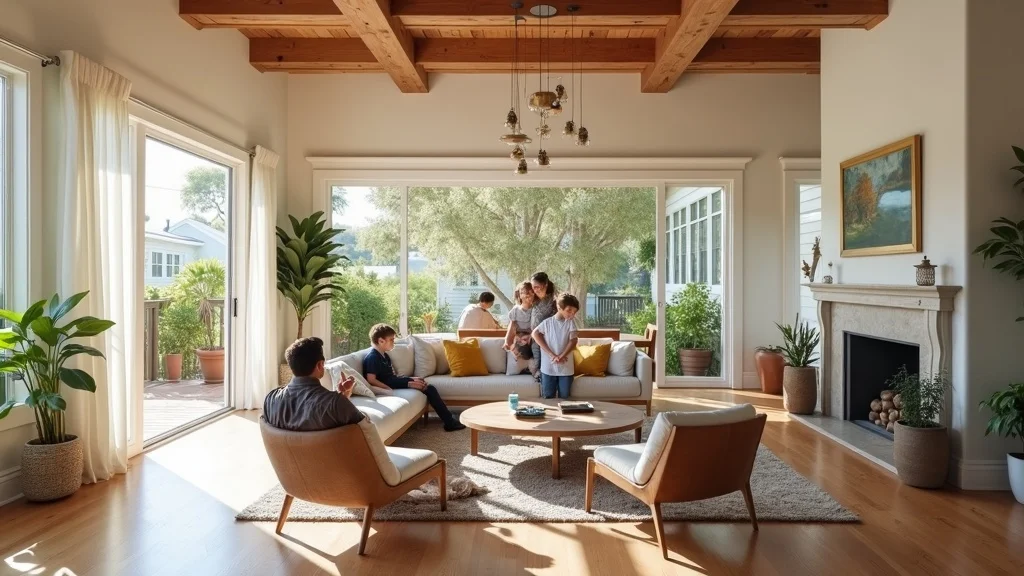
Incorporating Modern Comforts without Sacrificing Style
Introduce modern lifestyle upgrades (think built-in AV, smart thermostats, and discreet lighting control) in ways that don’t overshadow period details. New furnishings, rugs, and houseplants can distinguish contemporary zones while keeping the backdrop timeless. Carefully selected pieces avoid visual clutter and spotlight your home’s craftsmanship.
Use accents that respect and echo classic features—like Art Deco light fixtures or mid-century-inspired side tables. Remember, every décor choice should enhance rather than compete with the room’s bones and storied past.
- Essential Décor Do’s for Period-Appropriate Updates: Layer textures, opt for understated neutrals, display heirlooms or local artisan works, and use statement lighting that references your home’s original era.
Maximizing Storage with Wall Cabinets in a Home Remodel
How to Add Wall Cabinets Without Disrupting Classic Lines
Modern-day living requires more storage, but it’s vital that new wall cabinets don’t clash with historic architecture. Integrate cabinets into existing alcoves or above doorways, and choose wood species and hardware that mirror the home’s era. For kitchens, pantries, and even the bathroom nook, custom cabinetry painted or stained to match original finishes can add storage while maintaining style continuity.
In living areas, add built-in wall cabinets that blend with existing woodwork for discreet utility. Careful, professional installation guarantees these additions look purposeful and timeless rather than like afterthoughts.
Clever Storage Solutions for Older Homes
Retrofitting older homes with efficient storage is possible with creative thinking. Utilize toe-kick drawers in kitchens, under-stair pullouts, and overhead shelving in closets or garages. Consider slimline cabinets in halls and custom shelving for books and display in your dining room or living room. This blend of new and old makes your home remodel truly function for today’s lifestyle without sacrificing historic flair.
Look for inspiration in vintage furniture pieces like hutches and armoires—these can be built-in or used as statement storage pieces in any room makeover.
Innovative Home Renovations and DIY Projects for Personalization
- Refinishing doors or restoring built-ins for unique character
- Swapping new hardware onto original cabinetry
- Repainting moldings or accent walls with period colors
- Building open shelving with reclaimed wood
- Creating custom closet or mudroom storage nooks
When to DIY and When to Hire a Pro for Your Home Remodeling
DIY projects can be a rewarding way to leave your mark—painting, tiling, or restoring original woodwork are accessible for many. However, always hire a pro when tackling structural changes, electrical or plumbing systems, and major installations (such as a new garage door or energy-efficient windows).
Professional installation services ensure your renovation is up to code, warranty-compliant, and built to last—crucial in older homes. Smarter yet, a blended approach lets you handle small jobs while bringing in experts where it counts for a smooth and successful outcome.

“A hands-on approach to home remodels allows you to infuse personality without losing history.” – Homeowner’s Perspective
Video Walkthrough: A Bay Area Home Remodeling Showcase
Explore Before-and-After Transformations
Seeing real-life home remodels brings the process—and potential—into sharp relief. In the video walkthrough below, we spotlight a Bay Area home where historic details were lovingly preserved and modern necessities expertly integrated. Notice the transformation in the kitchen, bathroom, and living spaces, as well as testimonials from designers and homeowners on why character preservation was just as important as aesthetic upgrade.
Eco-Friendly Upgrades in Bay Area Home Remodeling Projects
- Reclaimed hardwoods and low-VOC paints for healthy, sustainable interiors
- Water-saving fixtures in the bathroom and kitchen
- Energy-Star certified appliances and smart thermostats
- High-efficiency windows and doors for better insulation
- Solar panels, permeable driveways, and native plant landscaping
Energy-Efficiency Improvements While Preserving Character
Modernizing with energy-efficient windows, insulation, and appliances is not only an environmentally conscious choice, but also delivers long-term cost savings. In the Bay Area, where utility costs and environmental standards are high, choose upgrades that lower your footprint but respect your home’s original looks—like unobtrusive solar panels, restored wood windows with high-performance glazing, or wall-mounted mini-split cooling systems that don’t disturb exterior facades.
Professional installation services for these upgrades ensure your systems are maximally efficient and code-compliant. Ask your general contractor to recommend sustainable materials or methods for insulation, flooring, and lighting during your remodel.
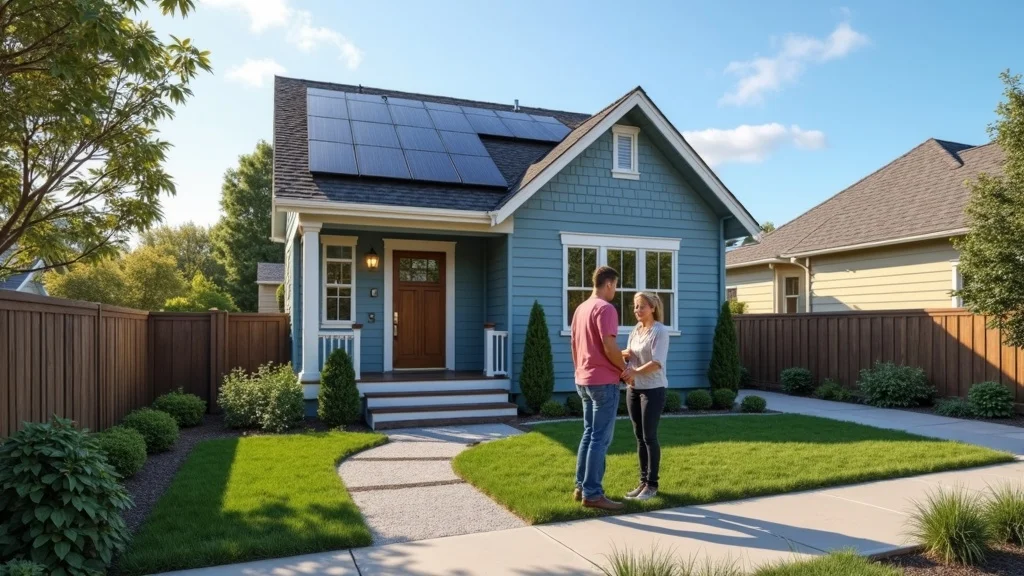
Working with a Bay Area General Contractor on Your Home Remodel
Selecting the Right Contractor for Your Home Remodeling Project
Choosing the right general contractor could be your single most important decision. Look for a local expert with deep experience in older homes, knowledge of Bay Area permitting, and a portfolio that reflects a sensitivity to architectural character. Check reviews, visit completed projects, and find a team that will partner with you—providing guidance, creative options, and transparent communication through each step of the remodeling project.
Always request detailed bids that cover everything from demolition through finish work. A great contractor will welcome your vision and suggest ways to increase efficiency, value, and character in every detail.

Managing the Home Remodel Process for Smooth Results
A smooth and successful project starts with careful planning and realistic scheduling. Break the project into clear phases (design, permitting, demolition, construction, finish), communicate frequently with your general contractor, and ensure all decisions are recorded. Building in flexibility for unforeseen surprises (like hidden plumbing or historic feature discoveries) keeps stress levels low and the process collaborative.
Weekly site meetings, status checks, and using digital project management tools will help you track milestones and handle issues before they escalate. Remember, the goal is not just an upgraded house but a remodeled space that honors past and present.
Budgeting for Your Home Remodel — Realistic Expectations
- Structural repairs (foundation, framing) may reveal hidden costs
- Upgrading wiring, plumbing, and HVAC is often a necessity, not a luxury
- Historic materials (salvaged wood, artisan tile, custom trims)
- Professional installation and specialty trades
- Permit and inspection fees can be significant in the Bay Area
Allocating for Restoration vs. Modernization
When setting a budget, balance funds between restoring original features and updating living spaces. Save for non-negotiable upgrades—electrical, plumbing, and insulation—while designating a portion for high-impact restorations, like millwork and period-correct finishes. Technology and modern amenities can often be added incrementally; restoration, however, is best tackled at the outset and by skilled professionals.
Transparency is crucial—ask for detailed estimates and update your numbers as plans evolve, especially as hidden challenges are revealed during demolition.
Video Guide: Room-by-Room Home Remodel Inspiration
See How Smart Changes Can Make a Big Difference
Each room makeover provides an opportunity to blend character with practical upgrades. Watch this inspiration video to discover creative storage solutions, clever layouts, and before-and-after shots that reveal the dramatic—and subtle—improvements possible in both compact cottages and spacious Victorians. Notice how respectful choices bring out the best in every space, making the home feel fresh while keeping its heritage intact.
Table: Home Remodel Must-Haves for Every Room
| Room | Maintain | Modernize | Blend Approaches |
|---|---|---|---|
| Kitchen | Original woodwork, classic cabinets | Energy-efficient appliances, LED lighting | Repro tiles, soft-close retro hardware |
| Bathroom | Clawfoot tubs, vintage tile | Walk-in shower, radiant heat | Period taps with water-saving tech |
| Living Room | Fireplace mantels, decorative trims | Smart lighting, AV integration | Custom shelving, modern-heritage rug |
| Dining Room | Built-in hutches, original floors | Smart dimmers, energy windows | Historic wallpaper with contemporary art |
| Bedroom | Window moldings, door hardware | Walk-in closet, built-in desk | Custom headboard, blended drapes |
People Also Ask: Home Remodel FAQs
Is it cheaper to buy a house or remodel?
In the Bay Area’s hot real estate market, remodeling an existing home can often be more cost-effective than purchasing new, especially when factoring in hidden moving expenses, bidding wars, and the value of location. A home remodel allows you to customize your space to suit your needs without sacrificing community, charm, or accessibility. However, the extent of required repairs and upgrades can impact costs, so a full inspection is vital before starting.
Is $50,000 enough to renovate a house?
A $50,000 budget can substantially update key spaces such as a bathroom nook, add energy-efficient features, and refresh finishes throughout, but may not cover extensive structural or systems upgrades. Focus on high-impact, DIY-friendly improvements, or prioritize one or two rooms—like a kitchen remodel or living room update—to dramatically enhance both comfort and style.
Is $100,000 enough to renovate a house?
With $100,000, Bay Area homeowners can tackle a significant home remodel, addressing mechanical systems (wiring, plumbing), some layout changes, and high-quality updates in several rooms. Maximize your value by choosing timeless designs, restoring character details, and hiring a reputable general contractor who can offer expert project management and professional installation services.
What does a $10,000 bathroom remodel look like?
For $10,000, a targeted bathroom remodel can revive a bathroom nook with new tile, energy-saving fixtures, updated lighting, and re-glazed tubs or sinks, especially when the layout remains intact. DIY elements, like new color palettes or classic mirrors, paired with select professional installation of plumbing or tiling, yield a refreshed, inviting space with lasting value.
Frequently Asked Questions About Home Remodel and Home Renovation
- What are the biggest mistakes to avoid during home remodels in the Bay Area? Skipping a thorough inspection, ignoring historic codes, choosing incompatible modern finishes, or under-budgeting hidden repairs.
- Can I live in my home during a remodel? For minor updates, yes, but for major renovations with system overhauls or structural work, temporary relocation may minimize stress and disruptions.
- How do I choose finishes that blend old and new? Use manufacturers offering reproduction hardware, historically inspired paint colors, and classic trims; seek design professionals for guidance as needed.
- What are must-have features for a modern classic home? Smart thermostats, energy-efficient lighting, custom wall cabinets, restored woodwork, and seamlessly integrated technology solutions topped with artisan touches.
Key Insights for a Successful Bay Area Home Remodel
- Preserving character is always a wise investment
- Smart planning and expert guidance make a difference
- Balance between modernization and historical value enhances appeal
Expert Advice on Your Next Bay Area Home Remodel
“Every home remodel tells a story—honor the past while boldly embracing the future.” – Golden View Renovation
Ready to Modernize Your Classic Bay Area Home?
Connect with one of our team Experts to get more information on how to expand your home in the smartest and best way possible.
Conclusion: Your Bay Area home remodel can harmonize modern living with timeless charm—focus on planning, professional support, and a passion for preservation to create a uniquely welcoming space.
If you’re inspired to take your renovation journey even further, consider how expanding your living space with an ADU or thoughtful room addition can elevate both functionality and value. Discover expert strategies and creative solutions in our comprehensive guide to ADU and room addition projects, where you’ll find insights on maximizing your property’s potential while maintaining architectural harmony. Whether you’re dreaming of a guest suite, home office, or multi-generational living, these advanced approaches can help you future-proof your classic Bay Area home. Explore what’s possible and unlock new opportunities for comfort, flexibility, and lasting appeal.
Sources
- Thinking About Home Remodeling? Start Here – https://www.nahb.org/other/consumer-resources/thinking-about-home-remodeling-start-here
- Renovation vs. Remodel: Key Differences, Costs & More – https://www.lowes.com/n/how-to/renovate-vs-remodel
- Home Renovations & Remodeling – https://homerenovationsandremodeling.com/
- 23 Before-and-After Home Remodeling Ideas – https://www.thespruce.com/best-home-remodeling-ideas-4685451
- A Checklist to Help Plan and Organize Your Renovation – https://www.davefox.com/resource-center/whole-home-remodeling-steps-checklist